



Subject Leader: Ms N Croucher – ncroucher@knoleacademy.org
Subject Teachers: Mr J Perry, Mr D Hooker and Miss M Rapp
Exam Board: AQA
Intent
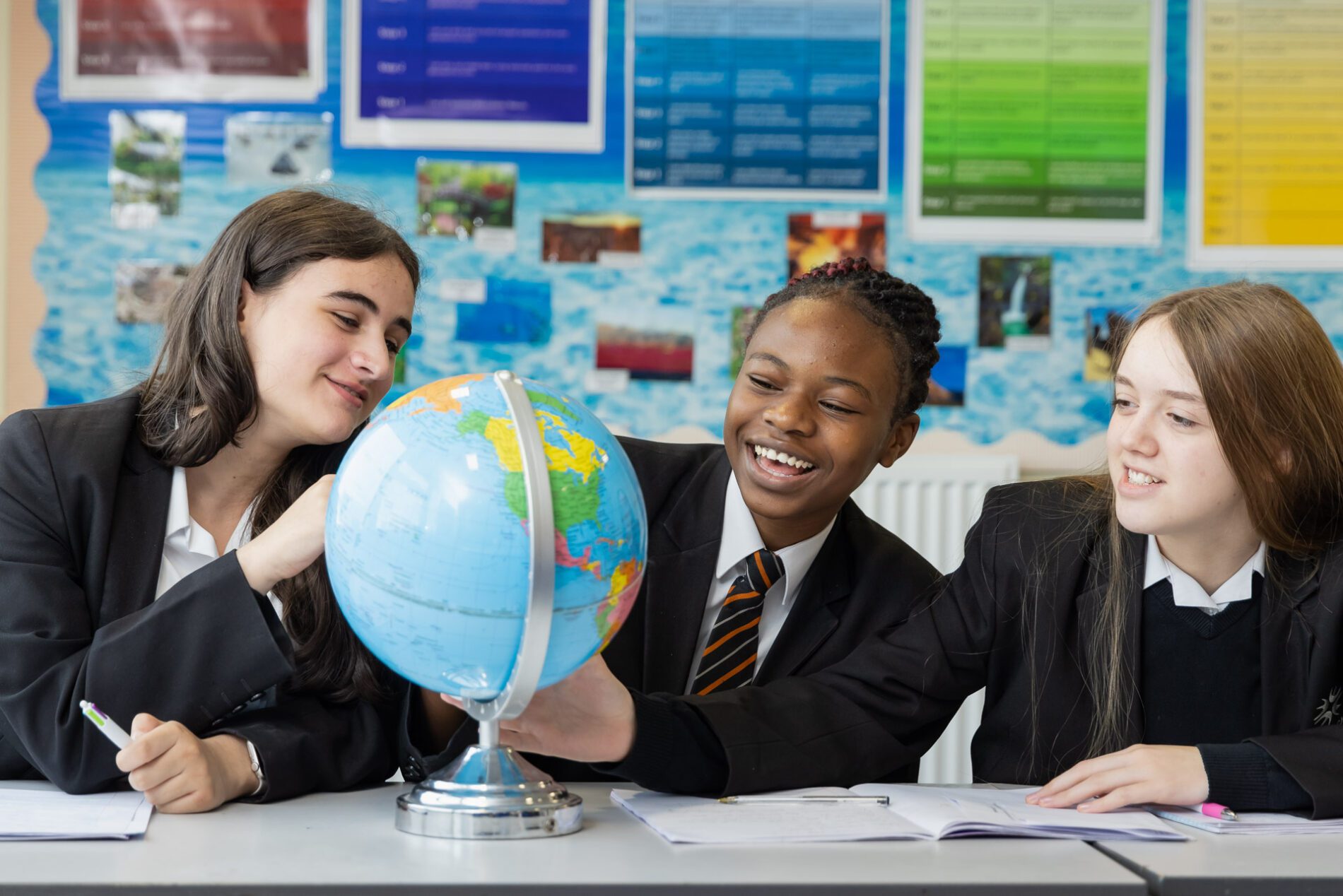
Geography teaches students to investigate the human and physical processes that shape our dynamic world. We aim to stimulate awe and wonder about the world to inspire students to explore and question the world around us.

Implementation
Geography at Knole academy underpins the four key principles of place, processes, power and possibilities. All key stages focus on these principles when studying the curriculum.
At Key stage 3 we focus on embedding geographical skills which are fundamental to being successful in geography. This includes using an atlas, OS map skills, maths in geography and interpretation of pictures.
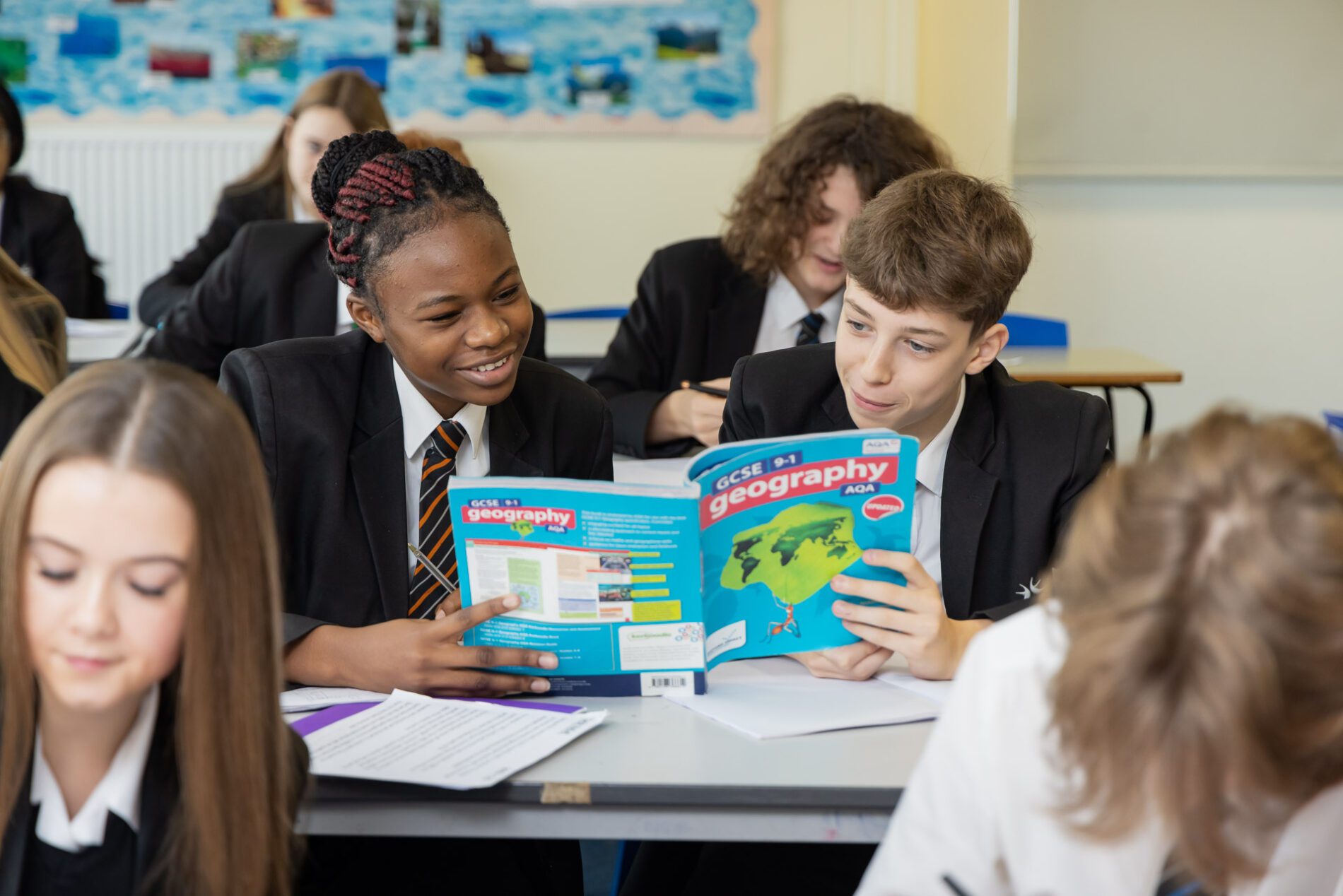
Geography is a popular option for students in year 10 and 11 where students explore physical and human geography at a range of scales.
Impact
Studying geography teaches students to become;
- Independent learners who can communicate effectively and respect different countries and cultures
- Problem solvers who are enterprising and can solve problems suggesting appropriate routes for enquiry
- Critical thinkers who question and challenge the world around them
Geography in Each Stage
Year 7
Term 1: Geographical skills
Term 2: Fantastic places
Term 3: Population
Term 4: Conflict
Term 5: Extreme environments
Term 6: Weather and conflict
Year 8
Terms 1 & 2: Geophysical hazards
Term 3: Tourism
Term 4: Globalisation
Term 5: Climate change and sustainability
Term 6: Olympics
Year 9
Terms 1 & 2: Development
Term 3 & 4: Ecosystems
Term 5 & 6: Coasts
Geography is a popular option for students in year 10 and 11 where students explore physical and human geography at a range of scales.
Students are externally assessed in three exam papers outlined below.
Examination Information
Exam Board: AQA
Qualification: GCSE Geography 8035
Paper 1: Physical Geography (33.3%)
1 hour 30 minutes. Written examination.
- Living in the physical environment
- Tectonic hazards
- Weather hazards
- Climate change
- The living world
- Small scale ecosystems
- Tropical rainforests
- Cold environments
- Physical landscapes in the UK
- Coastal landscapes
- River landscapes
Paper 2: Human Geography (33.3%)
1 hour 30 minutes. Written examination.
- Urban issues and challenges
- Urban change in Rio de Janeiro
- Urban change in London
- Urban sustainability
- The changing economic world
- The development gap
- Rapid economic development in Nigeria
- The UK economy
- The challenges of resource management
- Resource management
- Food
Paper 3: Geographical Skills (33.3%)
1 hour 15 minutes. Written examination.
- Section A
- This section provides students with the opportunity to demonstrate geographical skills and apply knowledge and understanding through a contemporary issue.
- The issue will be given to the students 12 weeks before the exam in a resource booklet
- Section B
- Students are examined on two pieces of fieldwork that they complete during the course
Enrichment and Extra-curricular Activities
At key stage 4 students complete two geographical enquiries outside of the classroom
Every two years the department runs a trip for 30 ks4 and 5 students to visit Iceland.
Students that are excelling in geography are invited to join club 9 which provides an opportunity for the students to examine some more complex ideas, to critically think and problem solve with other like minded students.
Geography Future Paths
Students can progress further into IB Diploma Geography or IB Social and Cultural Anthropology which compliments the skills developed at GCSE.
Geography could take you anywhere! The range of skills which geographers acquire is much sought after by employers and geographers have access to a wide variety of careers. Geography provides experience of a range of general skills including written and oral presentation, teamwork, problem solving, numeracy, computing, graphics, mapping, survey methods and research skills.
Geographers are recognised as adaptable people who can be easily trained, while their broad understanding and range of approaches to the world and its problems are relevant to many different jobs