
Curriculum

Lessons

In English lessons students will concentrate on the three main skills (National Curriculum Attainment Targets) of speaking and listening, reading and writing.They will be given opportunities to speak, formally and informally, and listen to others with understanding in a variety of settings.  They will also learn the appropriate forms of spoken English for different situations.

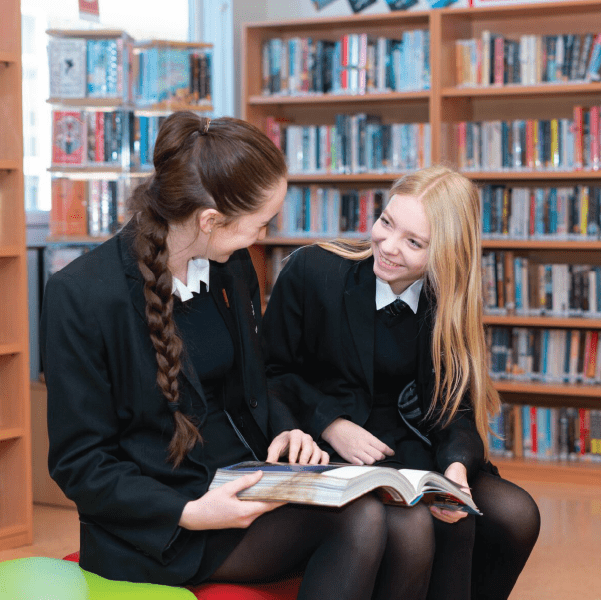
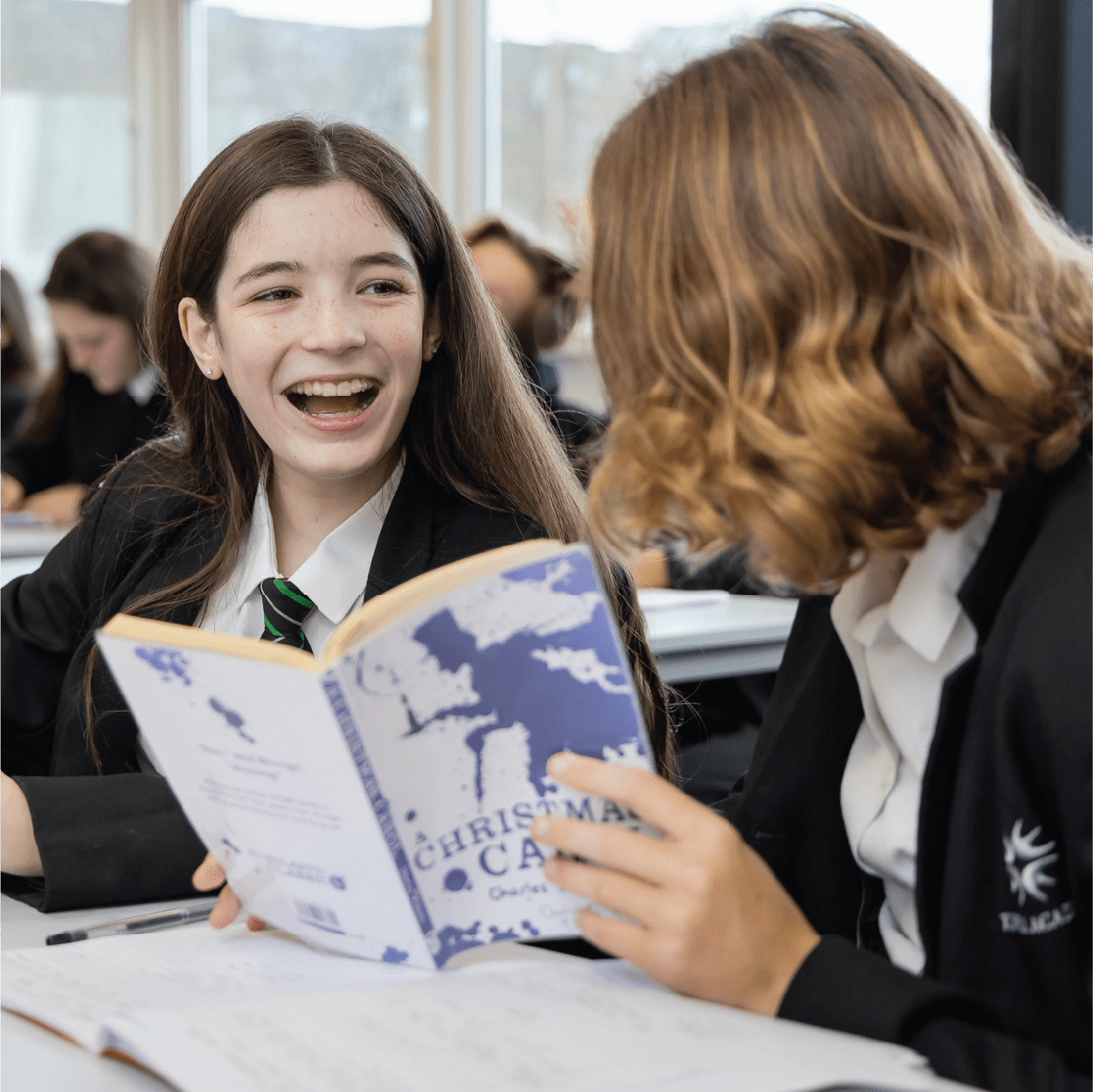
They will read a wide variety of novels, poetry and plays, including Shakespeare, and discuss and write about what they have read.  They will also be able to borrow books from the school library and be encouraged to read for their own enjoyment. They will learn how to write in a variety of forms and styles so that they can express themselves confidently and clearly on paper.  The skills of spelling, punctuation and grammar are taught as an integral part of this.

Assessment

Students’ work is marked regularly and teachers encourage students to respond to marking comments. At the end of Key Stage 3, pupils are given a National Curriculum Teacher Assessment level based on the work completed in their first three years at Knole Academy.  They are also given a National Curriculum Test level following the national tests at the end of Key Stage 3 (SATs).

Additional Support with Reading

Within the English department there is a team of four specialist teachers, dedicated to the teaching of reading.  They work principally with those in Years 7 - 9.

On transition from primary to secondary school, we have a great deal of helpful information from Year 6 teachers.  At the start of Year 7 we screen all students and use all this data to inform decisions about who would benefit from the reading programme. 

Small groups have either two or three lessons a week.  Depending on the level, they follow a tightly structured programme of work from dedicated texts, on a wide variety of themes which are written specifically to appeal to teenagers.  The topics covered are often challenging and provoke fascinating discussions.

Our aim is to offer intensive intensive input to support reading in the first few years at secondary school to enhance later results at GCSE and beyond.  This happens in a supportive environment, often allowing nervous or or reluctant readers to blossom.

Homework

Students are set homework in English twice per week.  Students in Years 7 and 8 are expected to spend 30 minutes on each piece of homework and Year 9 students 40 minutes.

Equipment

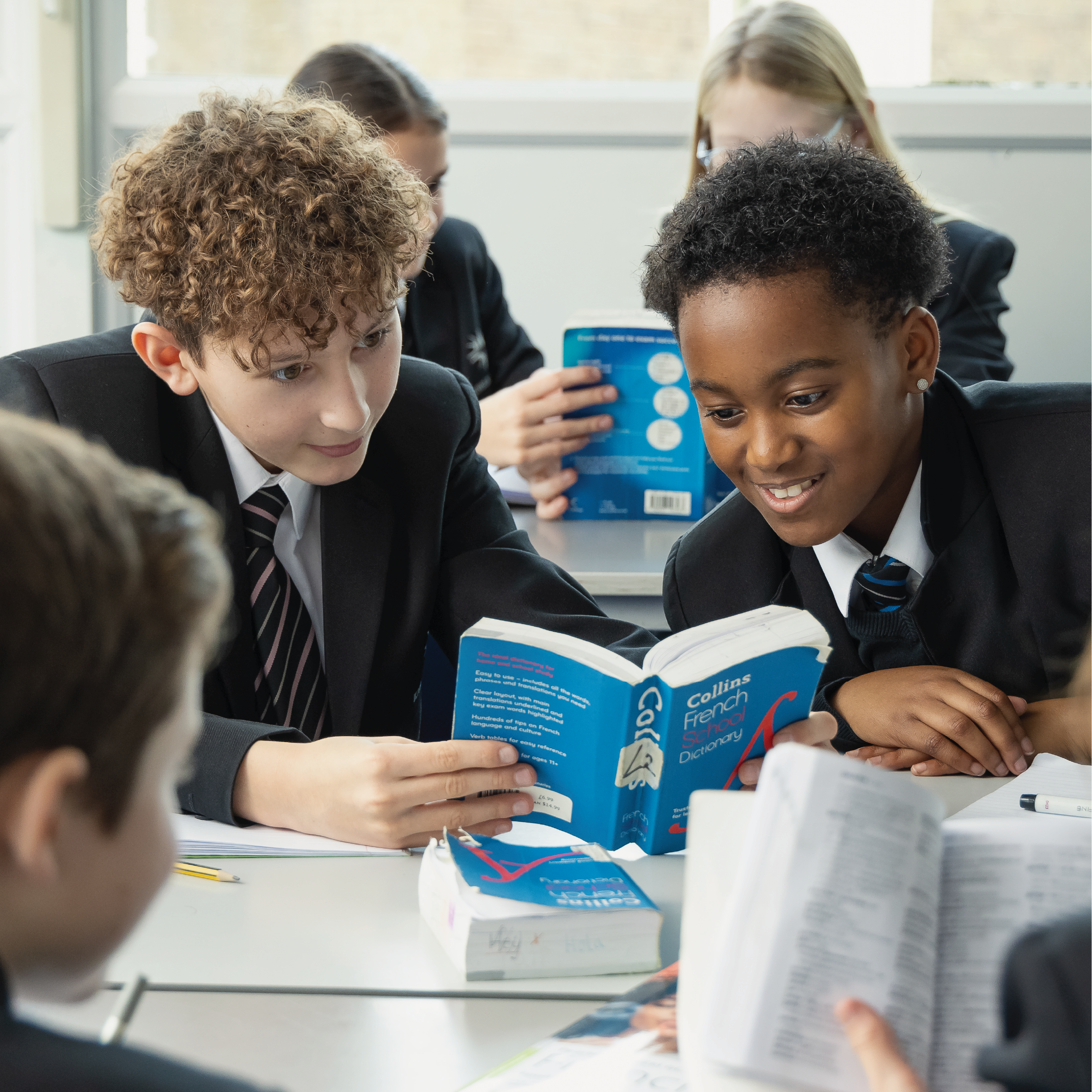
Students are required to provide their own pens, pencils and coloured pencils.  It is also advisable for each student to have his/her own pocket-sized dictionary and thesaurus. 

How Parents Can Help

By providing their child with a quiet place to complete homework.  By encouraging them to join a local library and to read and write for their own enjoyment.  By encouraging them to read non-fiction such as newspapers.

GCSE English and English Literature

Examination Board: Edexcel

Students complete two GCSEs within a modular course over two years. The course comprises of five units:

Communication

The Writer’s Craft

The Moving Image

Drama and Prose

Literature Extended Studies

By the end of Year 10 all students will have completed the first two units and will be ready to be entered for their English GCSE; it is possible for a candidate to have passed their English GCSE by the end of Year 10. Units for the Literature examination will be completed through Year 11.

A and AS Level English Literature

Examination Board: Edexcel

Students are provided with the opportunity to study a wide variety of both modern and traditional texts. Units 1-3 are completed for the AS level, units 4-5 for A2 level:

Unit 1 – Drama and poetry

Unit 2 – Pre -1900 Prose

Unit 3 – Shakespeare in context

Unit 4 – Modern prose

Unit 5 – Poetry and drama

Unit 6 – Criticism and comparison